
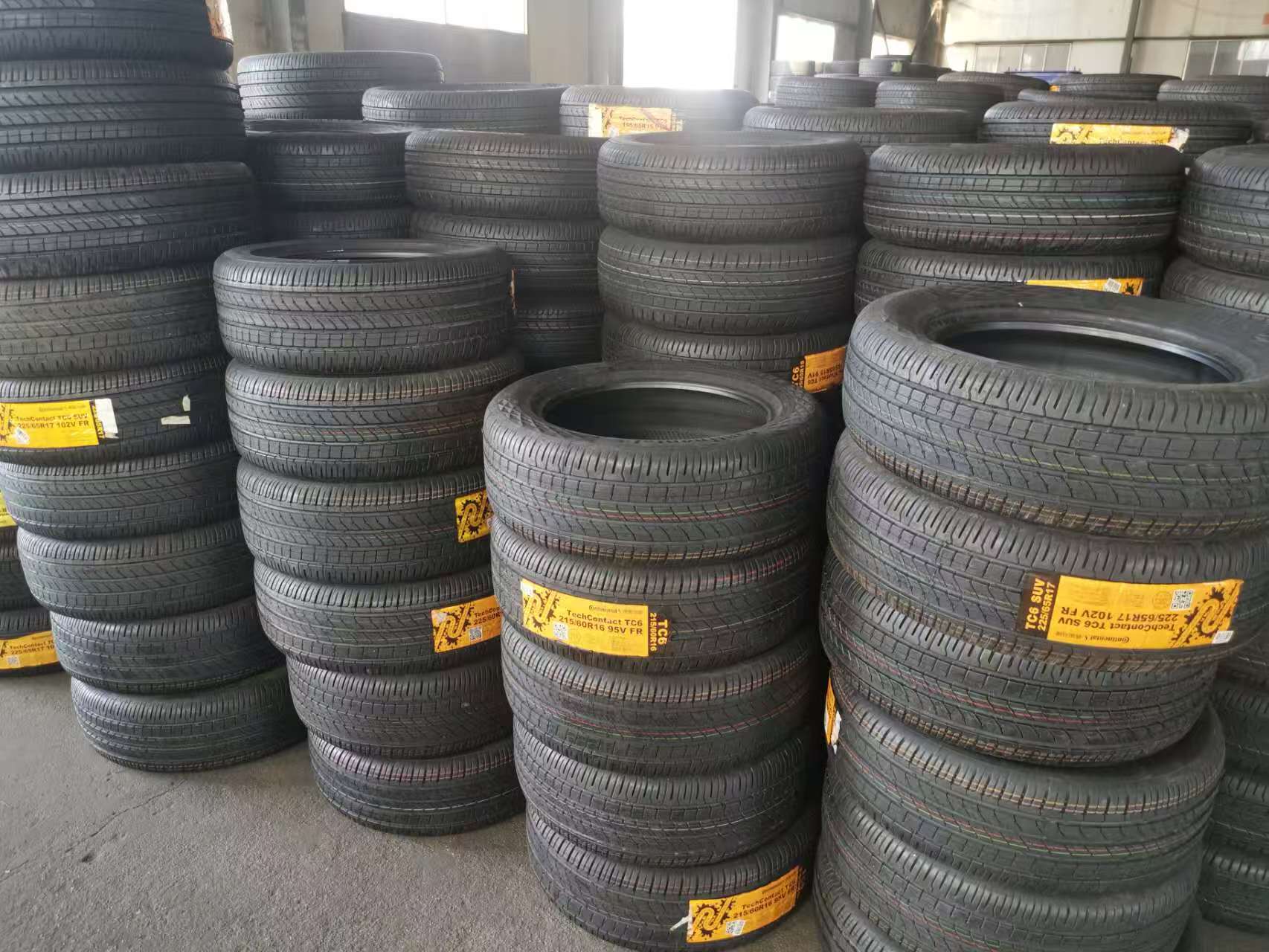
Global demand for passenger car and truck tires continues to grow across emerging markets, driven by rising vehicle parc, expanding road freight networks and a steady flow of replacement demand.
For PCR, the strongest growth is in mainstream 13–17 inch sizes. Distributors are consolidating their sourcing around suppliers that cover many applications in one order — city driving, highway touring, taxi and light SUV use — instead of managing multiple narrow brands.
In TBR, fleet operators are balancing acquisition cost with total cost of ownership. Durability, retread compatibility and predictable supply matter more than headline price alone. Long payment of confirmed delivery windows is now a common expectation.
What importers should watch
Lead times for container bookings remain the main scheduling risk
Certification requirements (DOT, ECE, GCC, INMETRO) vary by destination and should be confirmed before purchase
Exchange-rate movement between order and shipment affects landed cost more than the factory price itself
Behind the scenes: a closer look at our warehouse
During a recent visit to our primary consolidation hub in Qingdao, we captured what consistent supply really looks like on the ground. Rows of PCR and TBR inventory are organized by size, specification and destination region — allowing us to stage mixed containers within 48 hours of order confirmation. Our quality control team performs random sidewall and tread-depth inspections on every incoming batch, while digital stock tags ensure real-time traceability from dock to container door. For visitors, the most common takeaway is not just the volume, but the orderliness: clearly labeled zones, dedicated sampling areas for buyer representatives, and a streamlined loading bay that reduces turnaround time. These operational details are what turn a reliable catalog into reliable delivery — and we welcome serious distributors to see it for themselves.